
Understanding Different Camera Types
In the realm of photography, selecting the right camera is crucial for achieving the desired results. There are several types of cameras on the market, each with unique features tailored for different shooting styles and preferences. Among the most common are Digital Single-Lens Reflex (DSLR) cameras, mirrorless cameras, compact cameras, and point-and-shoots.
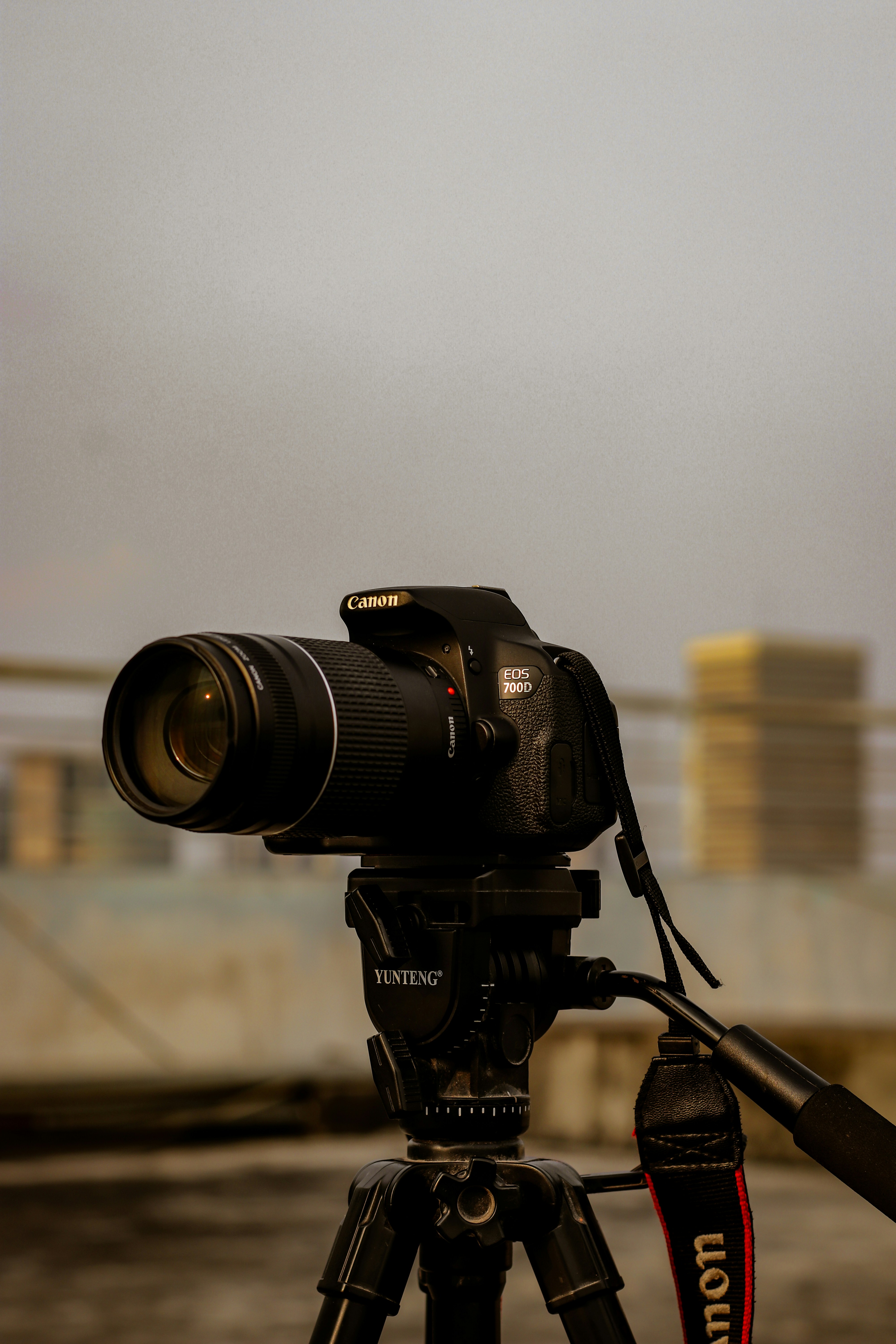
DSLR cameras are favored by many professionals due to their versatile functionalities and superior image quality. They utilize a mirror mechanism that allows for precise optical viewfinding. DSLRs often boast larger sensors, which contribute to better performance in various lighting conditions. They are ideal for photographers who seek control over their settings and a wider selection of lenses. However, their bulkiness can be a limitation for those who prefer a lightweight setup.
On the other hand, mirrorless cameras have surged in popularity, known for their compact design and reduced weight. Unlike DSLRs, these cameras do not feature a mirror mechanism, thereby enabling a more streamlined size. They also provide real-time electronic viewfinding, which can be beneficial for composing shots. While some may find their lens options more limited than DSLRs, advancements in technology are rapidly expanding their capabilities.
Compact cameras and point-and-shoots offer significant advantages in portability and ease of use, making them suitable for casual photographers and travelers. Compact cameras typically have fixed lenses and automatic settings, allowing users to take quality photos without extensive technical knowledge. Point-and-shoots further simplify the process, offering very basic functionality for those who prefer a straightforward photo-taking experience.
Each type of camera has its own strengths and weaknesses, and the choice ultimately depends on an individual’s photographic goals and experience level. Assessing personal requirements will guide aspiring photographers in selecting the most suitable equipment for their specific needs.
Essential Camera Accessories
The world of photography is expansive and complex, making essential camera accessories invaluable for enhancing the overall experience and capturing quality images. One of the most important accessories is a lens. Different types of lenses serve various purposes, such as wide-angle lenses for landscape photography and macro lenses for taking close-up shots. Investing in high-quality lenses can significantly improve the sharpness and clarity of your photographs, making this an essential purchase for any serious photographer.
Another key accessory is a tripod. A sturdy tripod stabilizes the camera, which is particularly beneficial for long-exposure shots or when working in low-light conditions. With a good tripod, photographers can achieve sharper images and create more creative compositions without worrying about camera shake. It is advisable to choose a tripod that matches your camera’s weight and supports the necessary features you require.
Memory cards also deserve attention, as they store your precious images. It is recommended to select high-capacity, high-speed memory cards to avoid running out of storage space during important shoots. Opt for reputable brands, as they tend to offer better reliability and performance when dealing with high-resolution images and video.When it comes to camera management, a reliable camera bag is essential. A camera bag protects your gear while providing easy access, which is crucial in dynamic shooting situations. Choose a bag that accommodates all your camera equipment and accessories comfortably.Furthermore, filters play a vital role in photography by allowing photographers to control aspects such as exposure and color saturation. Polarizing filters can reduce reflections, enhance colors, and increase contrast, providing photographers with more creative freedom.
In summary, these essential camera accessories—lenses, tripods, memory cards, camera bags, and filters—contribute to a more efficient and enjoyable photography experience, ultimately helping photographers achieve superior results.
Choosing the Right Lens for Your Photography Style
When selecting the right lens for your camera, understanding the various types available is paramount. Lenses can dramatically affect the quality and perspective of an image, making them a critical consideration for any photographer. There are several key categories of lenses, including wide-angle, telephoto, and macro lenses, each suited to different photography styles.
Wide-angle lenses are ideal for landscape photography, as they allow you to capture expansive scenes with the potential for great depth. Typically, a focal length of 24mm and below is categorized as wide-angle. These lenses are advantageous in tight spaces where distance may be limited, helping you to encompass more of the environment without needing to step back. They are also effective for architectural photography, allowing the photographer to encapsulate entire structures or buildings.
On the contrary, telephoto lenses, with a focal length generally starting from 70mm, are perfect for capturing distant subjects, making them an excellent choice for wildlife and sports photography. These lenses provide the ability to zoom in on subjects that are far away, offering a closer perspective while maintaining clarity and detail. This feature is particularly useful when the photographer cannot approach the subject closely, allowing for intimate shots of creatures in their natural habitat without causing disturbance.
Lastly, macro lenses are essential for those who wish to explore the intricate details of small subjects such as flowers, insects, or products. With a 1:1 magnification ratio, macro lenses enable photographers to capture minute details that would typically go unnoticed. These lenses play an important role in both nature photography and product photography, revealing texture and fine details, thereby enhancing the visual impact of the images.
In conclusion, selecting the right lens is pivotal in aligning with your photography style. Each type of lens offers unique benefits that cater to diverse photographic needs, and choosing wisely will significantly enhance your creative expression.
Investment Tips: Building Your Photography Kit
Building a well-rounded photography kit is essential for any photographer, regardless of their experience level. Strategic investment is key, especially when considering the various pieces of equipment required to enhance one’s craft. Start by assessing your current skill level and determining which areas you would like to focus on. Investing in a few essential pieces of gear first can set a solid foundation for your future upgrades.
When setting a budget, prioritize your purchases based on what is crucial for your photography style. If you focus on portrait photography, consider starting with a quality lens and a reliable camera body. For those interested in event photography, investing in durable lighting equipment may be more beneficial. Throughout this process, it is important to remain flexible, as your preferences and needs may change as your skills develop.
One way to make smart investments without breaking the bank is by researching products thoroughly. Look for reviews and comparisons online to help you make informed decisions. Additionally, consider second-hand options, especially for cameras and lenses, which can provide significant savings. Many reputable stores and websites offer certified used gear, ensuring that you receive quality equipment at a fraction of the retail price.
As your photography skills improve and your understanding of your personal preferences evolve, upgrading your gear becomes more straightforward. Invest in accessories that complement your primary equipment, such as external flashes or tripods, and don’t hesitate to experiment with new gear that piques your interest. Regularly reviewing and updating your photography kit will allow you to stay aligned with your growing skills, ultimately leading to a more satisfying photographic journey.

Leave a Reply